
PROVIDING NEARLY ENDLESS DESIGN OPTIONS FOR YOUR
Eco-Friendly Flooring
A beautiful cork floor is good for your health as well as the environment. Made in New York, our colored and patterned cork tiles are available for shipping worldwide.
Environmentally Sound
Cork
Flooring


Globus Cork
Why Choose Us
Globus Cork is the only US manufacturer of 100% cork tiles. We manufacture 2,500 variations, including 40 beautiful colors in 3 textures.
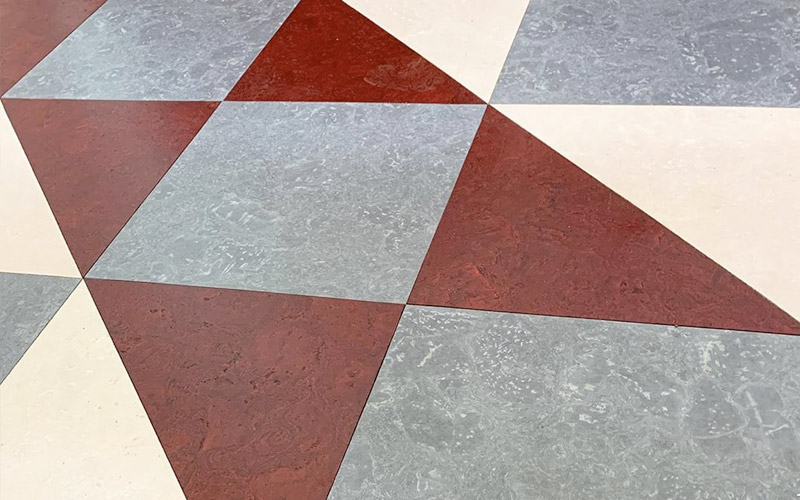
Cork is a beautiful natural product and now with Globus Cork’s proprietary coloring process, there are so many design options available. Nearly any design that can be done in ceramic tiles can now be done in cork. Globus Cork is unique in its tile size and shape offerings. More than 20 sizes are available as well as custom designs and colors.
Previous
Next
Durability
Cork flooring has a very long life and can be repaired if damaged.
Thermal Insulation
Cork naturally maintains a comfortable median temperature.
Anti-allergenic
Naturally resistance to mold and mites, cork is great for asthma sufferers and allergies problems.
Softness
The air contained in the millions of cork cells provides a cushioned feel.
Easy Installation
Globus Cork tiles are pre-finished and pre-glued, making installation a breeze.
Sound reduction
The cellular structure of cork reduces sound and vibration transmission. Great for noisy spaces.